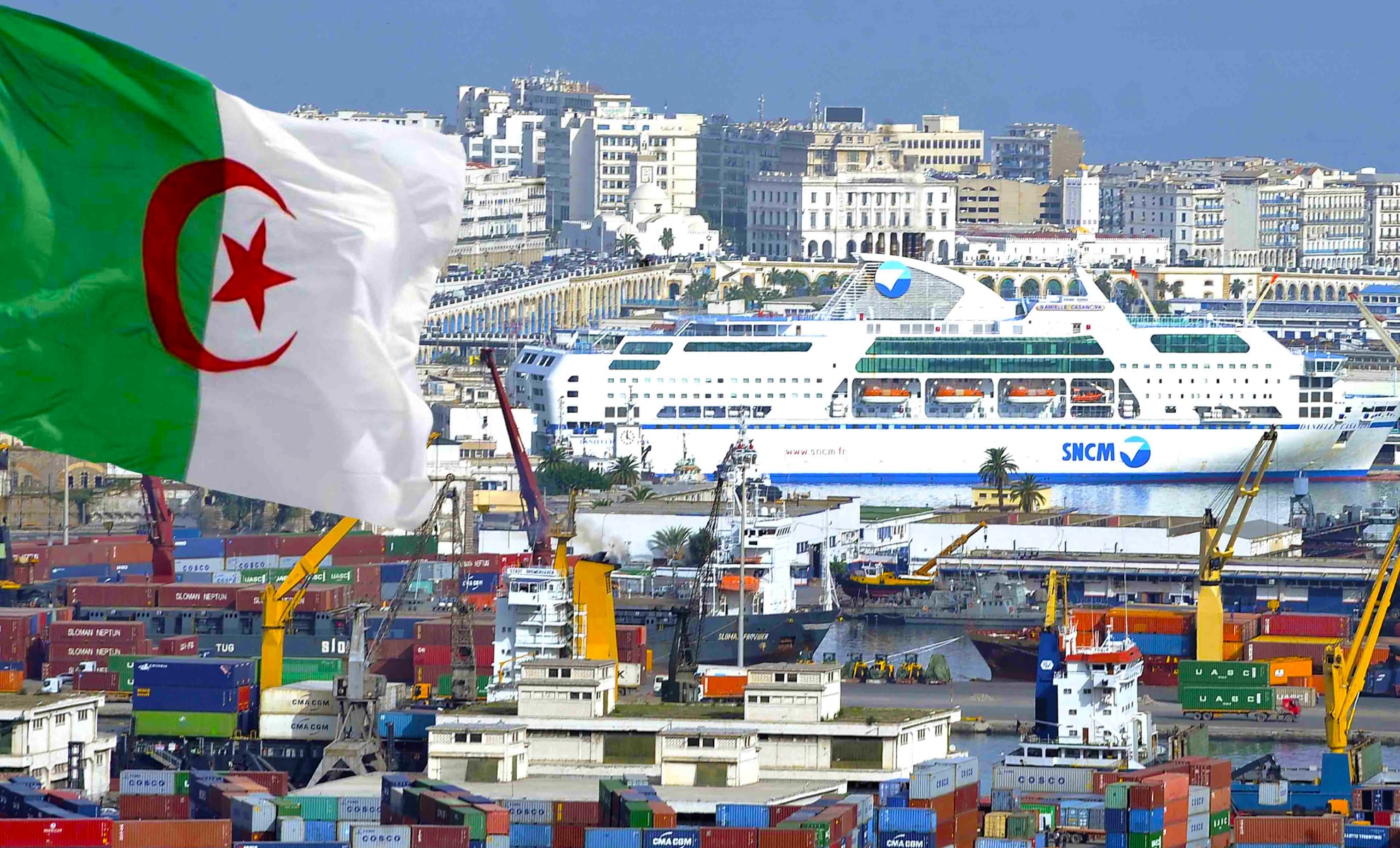
Algerian President Abdelmadjid Tebboune stated that the national economic indicators for the current year are generally positive, noting the continued good performance of the economy despite regional and international circumstances. During his regular meeting with national media, Tebboune explained that the economic growth rate is expected to exceed 4% this year, a rate he described as one of the highest in the Mediterranean region, thanks to ongoing investments, increased employment opportunities, and agricultural activity. He also pointed to foreign exchange reserves of $70 billion and the decline in inflation from 9.7% in 2020 to less than 4% this year, in addition to the absence of external debt. He also affirmed that the state does not intend to implement austerity measures despite the decline in oil prices, but will continue to improve resource management and prioritize, with a focus on diversifying the economy and increasing national production.
Regarding the recommendations of the International Monetary Fund, President Tebboune stressed that Algeria is committed to adapting these recommendations to its economic and social orientations, explaining that all countries have internal debt and no budget is without a deficit. Regarding the automotive industry, the President announced that major global brands will begin producing their cars in Algeria with high integration rates from the outset, noting that integration rates for some models will reach at least 40%. He also noted the progress made by Fiat at its plant in Oran, stressing that the resumption of Renault production is contingent on achieving an acceptable integration rate after years of relying on low rates of no more than 5%.
In the agricultural sector, Tebboune highlighted the transformation of agricultural activity from a social to a truly productive economic nature, confirming that Algeria has achieved self-sufficiency in durum wheat for the first time in 63 years, with ongoing efforts to achieve self-sufficiency in soft wheat, corn, and barley.
The President also explained that Algeria has 87 water dams, emphasizing the need to develop wastewater treatment projects to address the challenges of climate change within national programs in cooperation with start-ups. At the end of his remarks, Tebboune emphasized that the state is working to integrate the parallel economy into the formal economy to support transparency and growth, adding that regulating micro-imports and integrating them into the self-employed sector represents an important step in this direction.