Efforts to protect Syria’s cultural heritage are witnessing renewed momentum by relevant international organizations, following US President Donald Trump’s announcement of plans to lift some sanctions imposed on the country. These sanctions, which have significantly impacted the ability of Syrian cultural institutions to preserve their historical heritage in recent years, have significantly impacted the ability of Syrian cultural institutions to preserve their historical heritage.
According to media and international reports, organizations such as the World Monuments Fund are seeking to resume their activities in Syria after years of hiatus due to financial difficulties and restrictions on funding and technical expertise. Bénédicte de Montlaur, Executive Director of the Fund, said that sanctions have reduced available international support, forcing local specialists to assume the responsibility of protecting heritage under difficult circumstances.
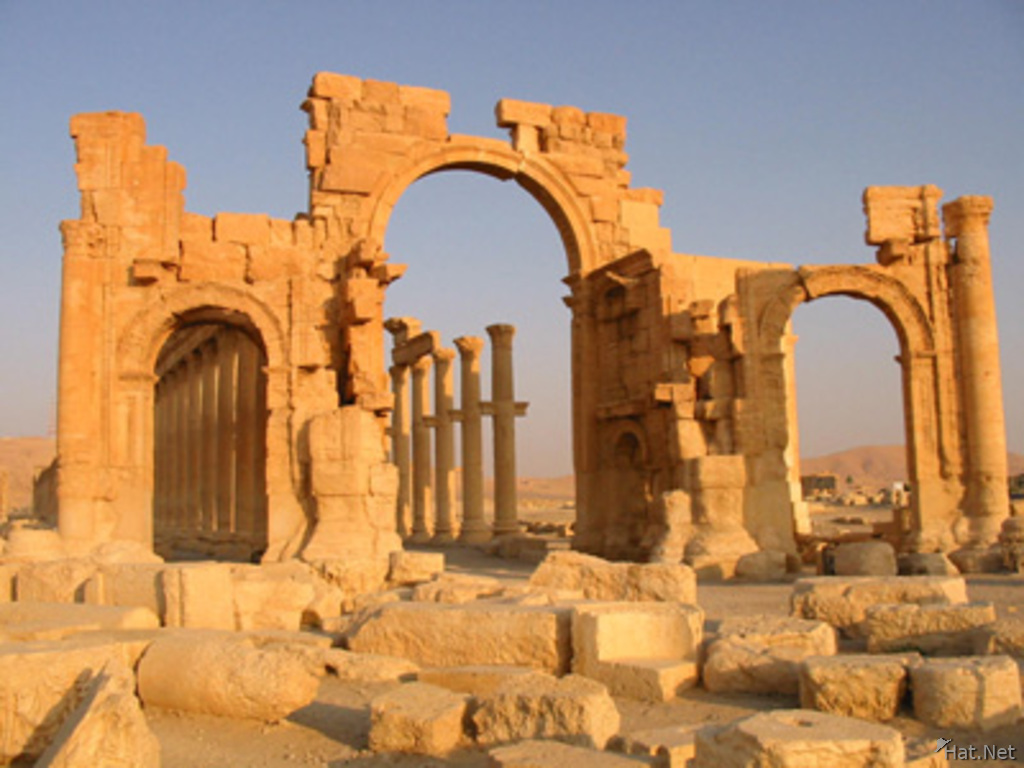
A report by The Art Newspaper highlighted the deteriorating condition of several museums and archaeological sites, including the National Museum in Damascus, which suffers from structural cracks, lack of maintenance, and power outages, damaging a number of sensitive artifacts. Over the past few years, the museum has become a temporary storage center for artifacts transferred from six damaged museums in areas such as Palmyra, Aleppo, and Deir ez-Zor, leading to a decline in its role as a cultural destination.
Rima Khawam, Chief Curator at the National Museum of Damascus, pointed to the need to develop a comprehensive strategic plan to revive cultural heritage, including urgent, medium, and long-term solutions. She emphasized that sanctions were a major obstacle to receiving international support, adding that the absence of museums from public life had a social and psychological impact on residents, depriving them of connection to their history and identity.
For its part, the Syrians for Heritage Association (SAMAT), a non-profit organization based in Germany, announced an urgent intervention to support the Damascus Museum, noting the long-standing difficulties it faced in securing funding from Europe and transferring it to Syria due to banking restrictions. Ayman al-Nabbou, Director of the Idlib Antiquities Center, confirmed that most projects relied on indirect financial transfers through intermediaries, which led to slow implementation and complicated procedures. Those involved in the cultural heritage sector in Syria hope that easing international restrictions will accelerate restoration and rehabilitation efforts for museums and archaeological sites, which have been severely damaged by war, conflict, and neglect.