

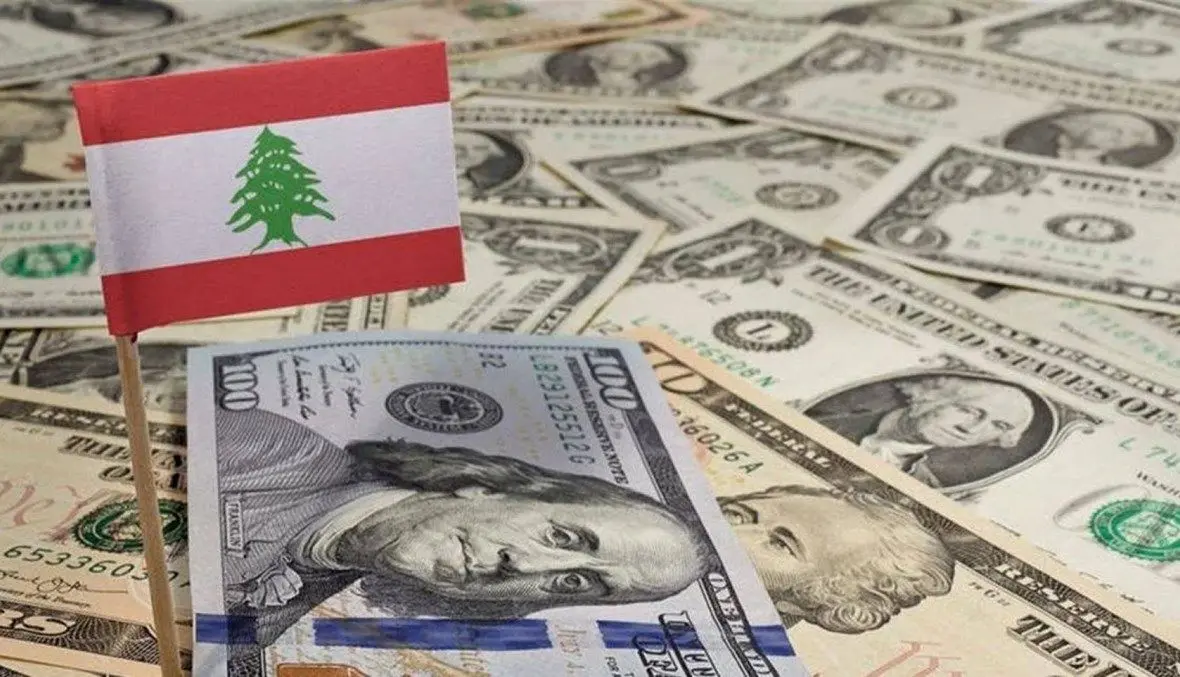
The Lebanese economy has begun to show early signs of recovery in 2025 since President Joseph Aoun took office last January, following years of severe recession and near-paralysis. Initial official indicators point to renewed momentum in the path of economic reforms, driven by the return of political and institutional stability.
Many local and international observers express hope that Lebanon’s continued security stability will have a positive impact on the implementation of economic reforms. President Aoun has pledged a number of reforms, but their success depends largely on the cooperation and support of all parties.
The Lebanese are hopeful that the economic reform process led by President Aoun will continue, especially with International Monetary Fund data indicating that the inflation rate is expected to decline to 15.2% in 2025. This is supported by the president’s efforts to strengthen national unity, reduce political divisions, and affirm loyalty to the nation above sectarian or partisan affiliations. The President also called on the international community to support Lebanon’s reconstruction efforts and economic recovery, given that damage to infrastructure and urban areas is estimated to have exceeded $14 billion.
Observers believe that President Aoun’s commitment to reforms, including ensuring the integrity of parliamentary elections, purging state institutions of corruption, and strengthening the army and judiciary, could put Lebanon on the path to true economic recovery. He also emphasized the importance of removing bureaucratic obstacles, activating the role of municipalities, implementing the administrative decentralization law, and ensuring expatriate voting rights.
On the financial front, experts called for support for the banking sector, which has shown signs of relative recovery. Foreign exchange reserves have risen to $11.2 billion, while the Lebanese pound has maintained relative stability compared to previous years.


